Before the Van Arrives: The Six Measurements That Save a Furniture Sale
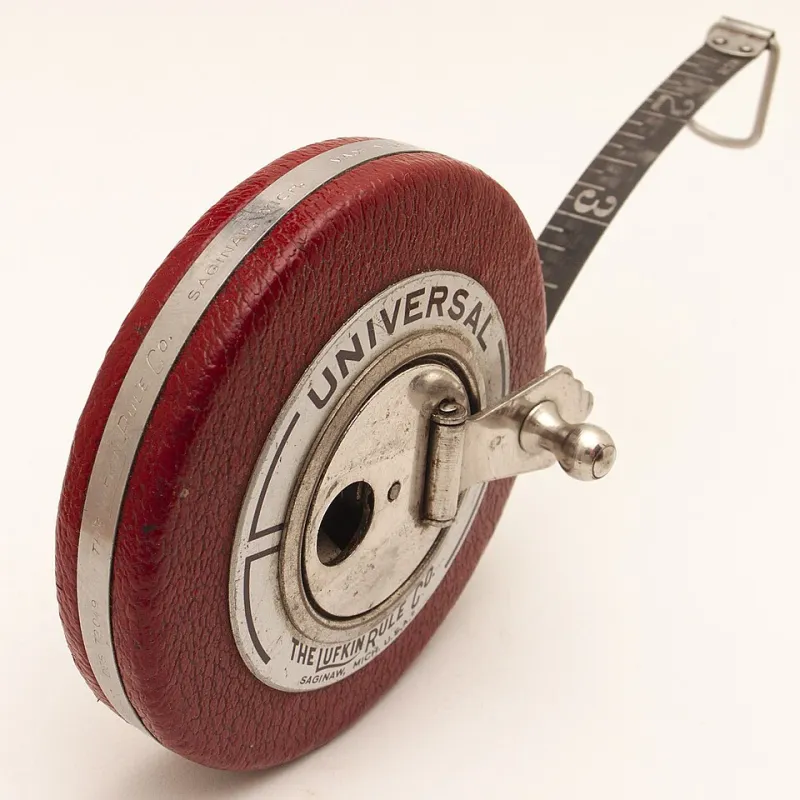
Photo: Junkyardsparkle, CC0, via Wikimedia Commons
There's a particular kind of silence that settles on a doorstep when a three-seater meets a hallway that was never built for it. Nobody's angry. Somebody's already rolled up their sleeves. The seller is apologising, the buyer is apologising, and the van driver is looking at the clock. Nine times out of ten, that moment wasn't a money problem or a trust problem. It was a tape measure problem.
Furniture is the one category in UK Muslim classifieds where the item can be perfect and still not fit. A dining table that seats eight beautifully for iftar, a wardrobe that held three children's worth of clothes, a sofa that survived five Eids — none of that matters if it can't get past the newel post at the top of the stairs. So this is a small, unglamorous argument for measuring properly before you list, and for asking properly before you hire a van.
Start with the escape route, not the furniture
The instinct is to measure the thing you're selling. That's the easy half. The half that actually decides whether the sale completes is the journey: front room, hallway, door frame, step, stair turn, landing, lift, van.
In a lot of UK housing stock — Victorian terraces in Bradford, 1930s semis in Birmingham, purpose-built flats in Manchester — the tightest point is rarely the front door. It's usually the turn on the stairs, a narrow hallway with a radiator on one side, or a lift with a door that opens to 70cm while the cabin behind it is generous. Measure the tightest point, because that's the number that rules.
The six numbers worth writing down
You don't need a survey. You need six figures, written in the listing, in centimetres, without decimals.
- The widest fixed width. For a sofa, that means across the arms — not the seat cushions. For a wardrobe, it's the cornice, not the carcass. If the widest part can be removed (legs, arms, a door), say so explicitly; it changes everything downstream.
- The deepest point. Recliners count with the footrest out. Wardrobes count with the doors open, and again with them shut, because people need to know whether they can open it in the room they've got.
- The tallest point. Headboards, tallboys, shelves with a finial on top. Also worth knowing: how tall it is when tipped on its side, because that's how it travels through a doorway.
- The diagonal depth of a sofa or armchair. This is the one people skip and the one that causes the most grief. Measure from the top back corner down to the front of the arm. If that diagonal is wider than your doorway, the sofa doesn't go through straight — it goes through on its side, or it doesn't go through at all.
- Your clear doorway width. Door open, measure the gap — then subtract the handles, the latch, the door itself if it doesn't come off the hinges. "The doorway is 80cm" is a pub fact. The clear gap is often 71cm.
- The tightest turn. Stair width at the narrowest point, the depth of the landing, and the ceiling height above the turn. A wardrobe that fits a doorway can still fail at a half-landing.
If there's a lift, add its door width and the cabin depth. If there's no lift, say the floor number and whether there are stairs outside the building too. If parking is a two-minute walk, that's not a measurement but it's the same conversation.
Photograph the tape, not just the table
A picture of the item is a shop window. A picture of a tape measure lying across the widest point is a handshake. It takes fifteen seconds and it does more for buyer confidence than three paragraphs of adjectives.
Listings that sell cleanly tend to include: one clear photo of the whole piece, one close-up of any wear, and one shot of a tape measure on the widest dimension. If the item comes apart, a photo of it apart is gold — it quietly answers the question every buyer is about to type.
A listing line that does the heavy lifting
You can fold all of this into a couple of sentences. Something like:
Three-seater sofa, 198cm wide across the arms, 92cm deep, 85cm high. Legs unscrew, arms are fixed. Diagonal depth 105cm. Collection from a first-floor flat, no lift, 12 steps, clear doorway 74cm, stair turn 68cm. Two people needed, parking on the street after 6pm.
That paragraph prevents the doorstep scene. It also filters out the buyers for whom it was never going to work, which is a kindness to both of you.
For buyers: five questions before the van is booked
Sellers shouldn't carry this alone. If you're the one hiring the van, ask these before you pay a deposit:
- Does it come apart, and how far? Legs off is different from "the arms unbolt with an Allen key".
- What's the widest fixed dimension? Not the seat width. The fixed, unremovable widest point.
- What's the route out of the seller's property? Doorway, hallway, stairs, lift, floor, parking.
- How heavy is it, and how many people moved it in? Two people and a sack truck is a different afternoon from four people and a staircase.
- Can I measure my own route before I commit? A good seller will happily wait a day for that. A rushed seller is worth a second look, not a red flag.
When it does go wrong, keep the door open
Sometimes the tape measure lies, or the hallway has a bend nobody mentioned. If the collection fails, the temptation is to end the conversation there. Don't. A seller who says "let's relist it together and I'll adjust the description" turns a wasted morning into a name people remember in the group chat.
The same goes for renegotiation. If a buyer has driven forty minutes and the item is 4cm too wide, a small, honest adjustment to the price — or a genuine offer to hold it while they find a smaller van with the doors off — reads as decency, not desperation.
Why this matters more than it sounds
Muslim Ads UK works because the same people keep turning up: the same families selling prams and uniform bundles, the same traders moving stock, the same buyers who ask after your mother because they met her at a wedding. That kind of marketplace runs on fewer disappointments, not more listings.
Accurate measurements are, quietly, a form of good manners. They say: I've thought about your afternoon, your van, your hallway, your back. Six numbers and one photo of a tape measure is a small effort that keeps a deal warm — and keeps your name at the top of the list the next time somebody's looking for a dining table that actually fits.